Influencer Marketing: Building Brands with Authentic Connections
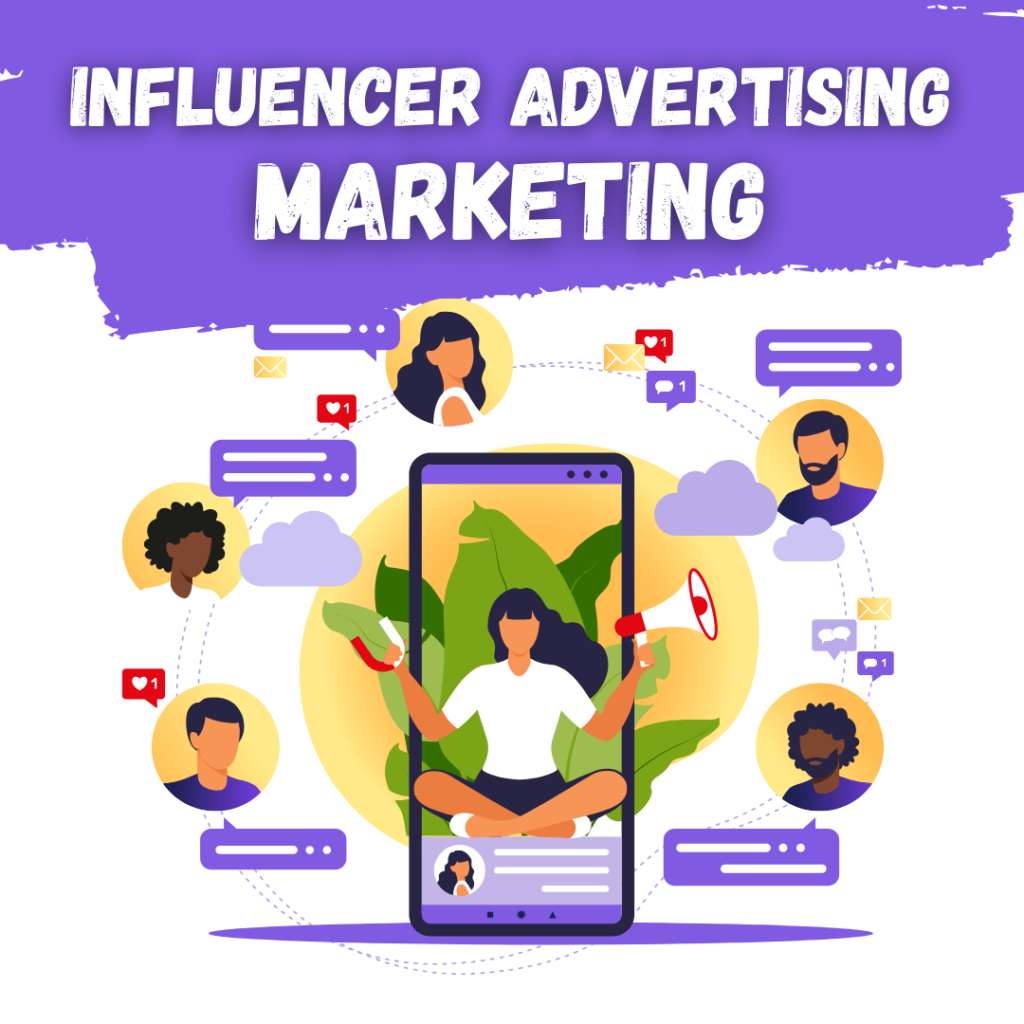
In the digital age, trust and authenticity are the cornerstones of successful marketing. Consumers today are more likely to believe a recommendation from someone they trust over traditional advertisements. Enter influencer marketing, a powerful strategy that leverages the reach and credibility of social media influencers to connect with audiences in meaningful ways.
From beauty products and fitness gadgets to tech innovations and lifestyle services, influencer marketing has become a game-changer across industries.
What is Influencer Marketing?
Influencer marketing is a strategy where brands collaborate with individuals who have a significant and engaged following on social media. These influencers create content featuring the brand’s products or services, delivering authentic endorsements that resonate with their audience.
Influencers can range from mega-celebrities with millions of followers to niche micro-influencers who specialize in specific industries or communities.
Why Influencer Marketing Works
1. Authenticity
Unlike traditional ads, influencer content feels genuine and relatable, as influencers often share personal experiences and honest opinions about products.
2. Targeted Reach
Influencers cater to specific demographics, allowing brands to connect with highly targeted audiences that align with their customer profiles.
3. High Engagement
Influencer-generated content often receives more likes, comments, and shares compared to brand-generated posts, enhancing visibility and interaction.
4. Builds Trust
Followers trust influencers because they view them as credible sources of information. A recommendation from a trusted influencer can significantly impact purchasing decisions.
5. Boosts ROI
With precise targeting and strong engagement, influencer marketing delivers an impressive return on investment, often outperforming traditional advertising methods.
Types of Influencer Marketing
1. Sponsored Content
The most common form of influencer marketing, where influencers promote a brand’s product or service through their social media posts, videos, or stories.
2. Product Reviews
Influencers provide in-depth reviews of a product, showcasing its features, benefits, and how it fits into their lifestyle.
3. Brand Ambassadorships
Long-term partnerships where influencers consistently represent a brand and promote it across various campaigns.
4. Event Collaborations
Brands invite influencers to events or launches to create buzz and share exclusive content with their followers.
5. Giveaways and Contests
Influencers host contests or giveaways featuring the brand’s products, encouraging engagement and increasing brand awareness.
6. Affiliate Marketing
Influencers share unique discount codes or affiliate links, earning a commission for every sale they generate.
How to Create a Successful Influencer Marketing Campaign
1. Define Your Goals
Are you looking to increase brand awareness, drive website traffic, or boost sales? Clear objectives guide your campaign strategy.
2. Identify the Right Influencers
Choose influencers whose audience aligns with your target demographic. Consider factors like follower count, engagement rate, and content style.
3. Establish Authentic Partnerships
Collaborate with influencers who genuinely align with your brand values and are likely to use your product or service organically.
4. Provide Creative Freedom
Allow influencers to create content in their authentic voice. Their creativity and storytelling resonate better with their audience.
5. Track Performance Metrics
Monitor the success of your campaigns through key metrics such as impressions, engagement rate, website clicks, and conversions.
The Future of Influencer Marketing
1. Rise of Micro-Influencers
Smaller influencers with niche followings often deliver higher engagement rates and foster closer connections with their audience.
2. Video Dominance
With platforms like TikTok, Instagram Reels, and YouTube gaining popularity, short-form video content is becoming the preferred medium for influencer campaigns.
3. AI and Data-Driven Insights
AI tools are helping brands identify ideal influencers, predict campaign outcomes, and measure ROI with greater precision.
4. Long-Term Collaborations
Brands are shifting towards building long-term relationships with influencers, moving beyond one-off campaigns to establish brand loyalty.
5. Social Commerce
Integrating e-commerce with social media platforms allows influencers to drive instant purchases through shoppable posts and live-streaming events.
Success Stories in Influencer Marketing
Case Study 1: Fashion Industry
A fashion brand partnered with several micro-influencers to promote their summer collection. The campaign generated a 70% increase in website traffic and a 35% boost in sales within a month.
Case Study 2: Tech Gadgets
A tech startup collaborated with tech-savvy influencers to demonstrate their product’s features. The campaign led to a 50% rise in product inquiries and a surge in pre-orders.
Challenges in Influencer Marketing
- Fake Followers: Some influencers inflate their follower counts, making it essential to verify their authenticity.
- Content Oversaturation: Too many promotions can lead to audience fatigue. Balance is key.
- Maintaining Authenticity: Overly scripted campaigns can feel disingenuous and fail to resonate.
Conclusion
Influencer marketing is more than just a trend—it’s a powerful strategy for building trust, fostering engagement, and driving results. By collaborating with the right influencers and creating authentic, compelling campaigns, brands can amplify their reach and connect with their audience on a deeper level.
At DigiGlobal, we specialize in crafting influencer marketing campaigns that deliver measurable success. From identifying the perfect influencers to executing innovative strategies, we handle it all.
Ready to harness the power of influencers for your brand? Let’s create something extraordinary together. Contact us today!