The Power of Brand Strategy: Building a Legacy Beyond Logos
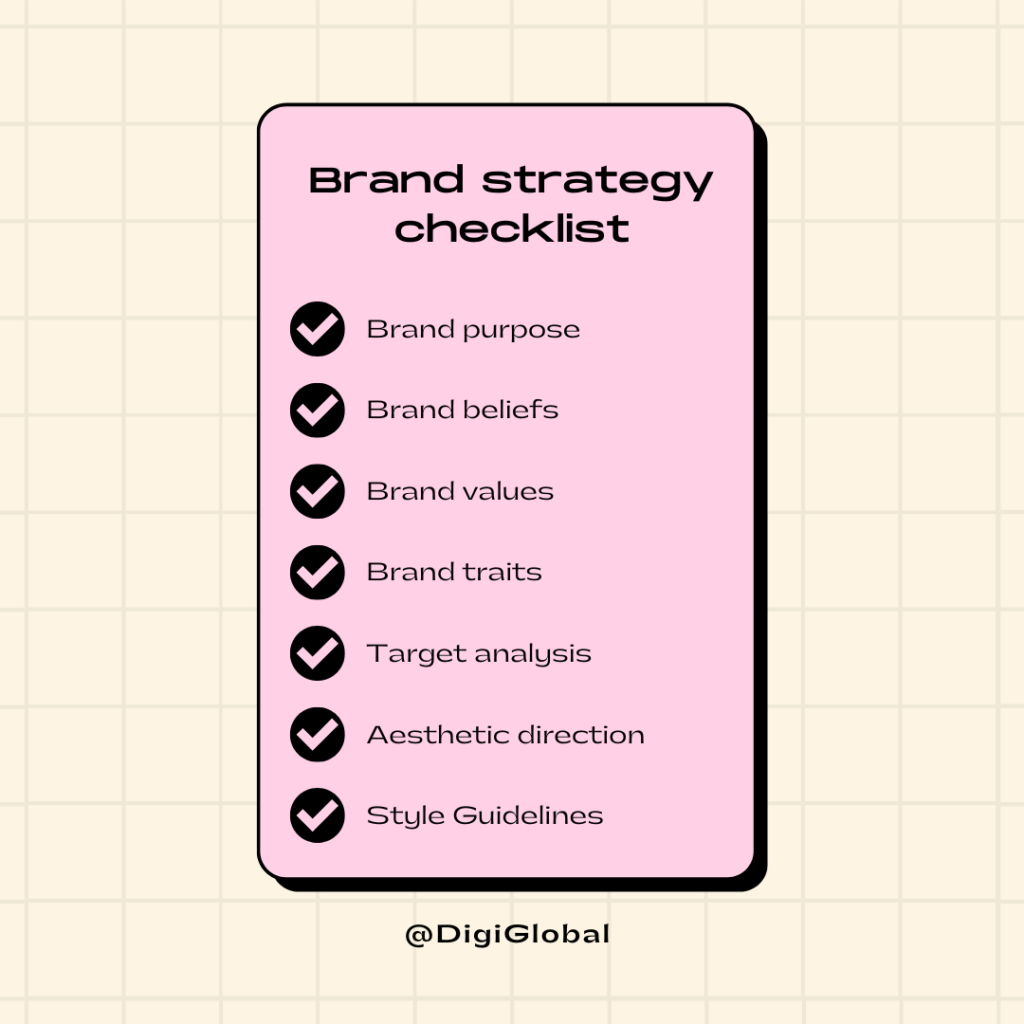
In the competitive world of business, having a strong brand is more than just a logo or a catchy tagline—it’s the foundation of how your company is perceived, remembered, and valued. A well-thought-out brand strategy goes beyond aesthetics, creating a cohesive identity that resonates with your audience, sets you apart from competitors, and fosters lasting relationships.
This blog explores the importance of brand strategy, its core elements, and how it can elevate your business to new heights.
What is Brand Strategy?
A brand strategy is a long-term plan that defines how your brand will communicate with your audience, establish a distinct identity, and deliver on its promises. It aligns every aspect of your business—from marketing and design to customer experience and internal culture—under a unified vision.
At its core, a brand strategy is about creating meaningful connections. It’s what makes your audience choose you over competitors and stay loyal to your brand.
Why is Brand Strategy Important?
1. Differentiation
In a crowded market, a strong brand strategy helps your business stand out. By highlighting your unique selling points (USPs) and defining what makes you different, you position yourself as the preferred choice for your target audience.
2. Consistency
Consistency builds trust. A clear brand strategy ensures that all your messaging, visuals, and interactions reflect the same values and tone, creating a seamless experience for your audience.
3. Emotional Connection
People don’t just buy products; they buy stories and values. A good brand strategy taps into emotions, creating a deeper bond with your audience that goes beyond transactional relationships.
4. Long-Term Growth
Brands with strong strategies can adapt to market changes while staying true to their core identity. This flexibility ensures sustainability and growth over time.
Key Elements of an Effective Brand Strategy
1. Purpose and Mission
Why does your brand exist? What impact do you want to make? Defining your purpose and mission helps you connect with like-minded customers who share your values.
2. Target Audience
Understanding your audience is essential. Who are they? What do they value? Tailoring your messaging and offerings to their needs ensures relevance and resonance.
3. Brand Personality
Your brand’s personality defines how it interacts with the world. Is it fun and playful or serious and professional? Establishing a consistent tone and voice helps humanize your brand.
4. Visual Identity
This includes your logo, color palette, typography, and imagery. A strong visual identity makes your brand instantly recognizable and reinforces your values.
5. Messaging and Storytelling
What story are you telling? Your messaging should clearly communicate your value proposition and inspire trust. Great storytelling evokes emotions and makes your brand memorable.
6. Competitive Analysis
Knowing your competition helps you identify gaps in the market and position your brand effectively. Highlight what sets you apart and focus on your strengths.
Steps to Develop a Winning Brand Strategy
1. Research and Audit
Analyze your current brand positioning, industry trends, and audience preferences. Conduct surveys, interviews, and competitor analysis to gather insights.
2. Define Your Brand Core
Establish your mission, vision, and values. These should guide every decision and action your brand takes.
3. Create a Visual and Verbal Identity
Design a logo, choose a color palette, and define a tone of voice that reflects your brand’s personality. Ensure these elements are consistent across all channels.
4. Build a Brand Experience
Your brand strategy should encompass every touchpoint—social media, customer service, packaging, and more. Create experiences that leave a lasting impression.
5. Monitor and Evolve
A brand strategy is not static. Continuously track performance, gather feedback, and adapt to changes in the market or audience preferences.
The Role of Brand Strategy in Digital Marketing
In today’s digital-first world, your online presence is often the first point of contact with potential customers. A strong brand strategy ensures that your digital marketing efforts are cohesive and impactful.
- Social Media: Consistent branding builds recognition and trust across platforms.
- SEO and Content Marketing: Brand voice and messaging enhance authenticity and authority.
- Paid Ads: Well-defined branding makes campaigns more memorable and effective.
- Web Design: A visually appealing, user-friendly website reinforces your brand identity.
Examples of Brands with Outstanding Strategies
1. Apple
Apple’s brand strategy focuses on innovation, simplicity, and exclusivity. Its clean design and compelling storytelling make it one of the most recognizable brands in the world.
2. Nike
With the slogan “Just Do It,” Nike taps into the emotions of determination and achievement, creating a strong emotional connection with its audience.
3. Airbnb
Airbnb positions itself as more than just accommodation—it’s about creating unique experiences. Its brand strategy highlights community and belonging.
Conclusion
A well-crafted brand strategy is the cornerstone of a successful business. It’s what transforms a product into a movement, a service into an experience, and a company into a legacy. By investing in your brand strategy, you’re not just creating a business—you’re building a connection that lasts.
At DigiGlobal, we specialize in creating tailored brand strategies that elevate businesses. From defining your identity to crafting compelling campaigns, our experts are here to guide you every step of the way.
Ready to unlock your brand’s potential? Contact us today and let’s create something extraordinary together!